
From zero to a credit score: which accounts count and how long it takes
No credit yet, or starting over? Here’s a clear path to your first score: which accounts actually build history, how they’re reported, and what timeline to expect.
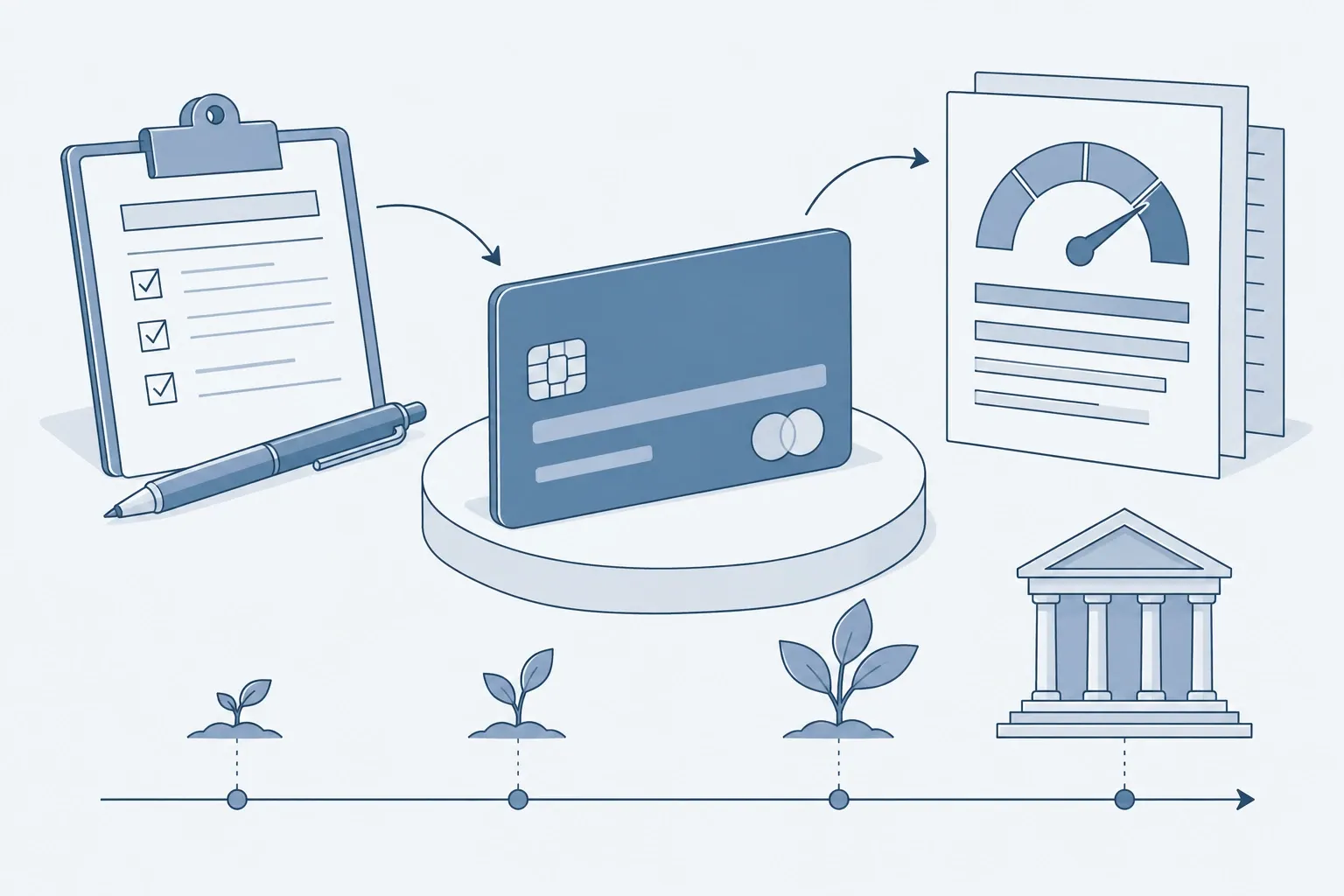
If you’re new to credit, the hard part is knowing what will actually show up on your credit reports and when. You don’t need a stack of cards or to carry debt. You need one or two products that report to the major bureaus, on‑time payments every month, and a way to track what’s being recorded. Below, you’ll find the criteria that matter, the starter options that work, and a realistic timeline from your first account to a scorable file.
What actually creates a US credit history?
Credit history is built when a lender reports your account to the nationwide credit reporting companies (Equifax, Experian, TransUnion). You can’t opt out of having credit accounts reported, and some non‑loan information (like certain utilities, medical bills or rent via specialty agencies) may also be reported, according to the Consumer Financial Protection Bureau’s guidance on reporting and specialty consumer reports (CFPB).
What do scores look at, and what matters most early on?
FICO Scores (the scores most lenders use) weigh five categories from your credit reports: payment history, amounts owed (including how much of your available credit you use), length of history, new credit, and credit mix. Payment history is the single largest factor, and keeping balances low relative to your limits helps the “amounts owed” category, per myFICO’s education pages.
Which starter options really work from scratch?
- Secured credit card. You place a refundable cash deposit (for example, $200–$500) as your credit limit. Used with on‑time payments, it builds history because the issuer reports activity to the bureaus. This is one of the CFPB’s recommended starter tools (CFPB).
- Authorized user on someone’s card. If the card issuer reports authorized‑user activity, that account can appear on your reports and help you establish history—provided the primary user pays on time. The CFPB includes this as a common path for thin files (CFPB toolkit).
- Credit‑builder loan. A bank or credit union locks a small loan in a savings account; your monthly payments are reported, and you receive the funds after repayment. This builds payment history and savings; it’s a CFPB‑recognized product for credit building.
- Reported rent. Rent isn’t automatically included in your credit reports, but some landlords use rent‑reporting services. Ask if your building participates; late rent can also end up on your reports through collections, the CFPB notes (CFPB).
A quick comparison:
| Option | Up‑front cash | Typical credit limit/amount | How it builds credit |
|---|---|---|---|
| Secured card | Security deposit (refundable) | Usually equal to deposit | Revolving account reports monthly (with most issuers) — on‑time payments and low balances help |
| Authorized user | None to you | N/A | Primary user’s history may appear on your report if the issuer reports AUs (see CFPB toolkit) |
| Credit‑builder loan | Small monthly payments | A few hundred to a few thousand | Installment payments reported; you receive savings at the end |
| Rent reporting | Often a small monthly fee (varies) | N/A | If your landlord participates, on‑time rent can be reported; not automatic |
How to set up your first 90 days
- Pick one primary builder product to start (a secured card is the simplest for many). Avoid multiple applications at once.
- Put 1–2 small, predictable charges on the card (for example, a monthly subscription) and set autopay for the statement balance to ensure on‑time payments. Payment history drives the largest share of a FICO Score, per myFICO.
- Keep balances low relative to your credit limit; you don’t need to carry a balance or pay interest to build credit, and lower utilization helps the “amounts owed” category.
- Build cash flow habits alongside credit: create a simple budget so you never miss a due date. If you’re starting out, use our plain‑English guide to build a monthly budget that fits your income and bills.
When will you get a score, and what timeline is realistic?
Your first FICO Score appears only after your file meets minimum criteria: at least one account open for six months or more, plus at least one account reported to a bureau within the past six months, according to myFICO. That’s why a single, well‑managed starter account is usually enough to become “scorable” in roughly half a year—so long as the lender reports.
How to check progress (and catch errors)
- Monitor your credit reports to confirm your new account is actually being reported and that your identity information is correct. The Federal Trade Commission says you can get free weekly reports from all three bureaus at AnnualCreditReport.com, the only authorized website for free reports.
- If a late payment or other negative item appears incorrectly, use the dispute instructions on each bureau’s site. Keep copies of statements and payment confirmations in case you need to document an error.
- Many banks and card issuers show a free FICO or VantageScore inside their apps; use those to watch directionally, but rely on your reports to verify that accounts and limits are accurate.
Putting it all together: a simple starter plan
- Open one secured credit card that reports to all three bureaus (or become an authorized user with a trusted person who has perfect payment history). 2) Autopay the full statement balance every month. 3) Keep balances low relative to your limit. 4) After six months of on‑time payments and reported activity, you should have a scorable file under FICO’s rules. 5) Check your reports weekly at the FTC‑endorsed site to catch any issues early.
Frequently asked questions
Do prepaid cards build credit?
No. Prepaid debit cards don’t extend credit and typically don’t appear on credit reports, so they don’t build credit history. To build credit, you need an account that a lender reports to the major credit bureaus, like a secured credit card or a credit‑builder loan, according to the Consumer Financial Protection Bureau.
Can rent payments help my credit?
Rent isn’t automatically reported. Some landlords or property‑management platforms use rent‑reporting services; if they do, on‑time rent can be sent to credit bureaus. Ask your landlord if they participate in a rental reporting program; late rent can also be reported through collection entries. This context comes from the Consumer Financial Protection Bureau.
How long until I have a FICO score after opening my first account?
Plan on roughly six months. To generate a FICO Score, your credit file must show at least one account open for six months or more and at least one account reported to a bureau within the past six months, per myFICO. If nothing is being reported, you won’t yet have a score.
How often should I check my credit while I’m building it?
Check your reports regularly to confirm your new account is being reported and that there are no errors. The FTC says you can get free weekly credit reports from Equifax, Experian and TransUnion at AnnualCreditReport.com, the only authorized website for free reports.
In this section Finance