Skip to content

Last published on · 25 articles · 5 sections

Global Academic Institute
TRN

Training

Which online courses and programs are worth your time and money?

5 articles

Latest in this section

The section guide

Pick the right online course for your next move

By Michael Brennan · Updated on

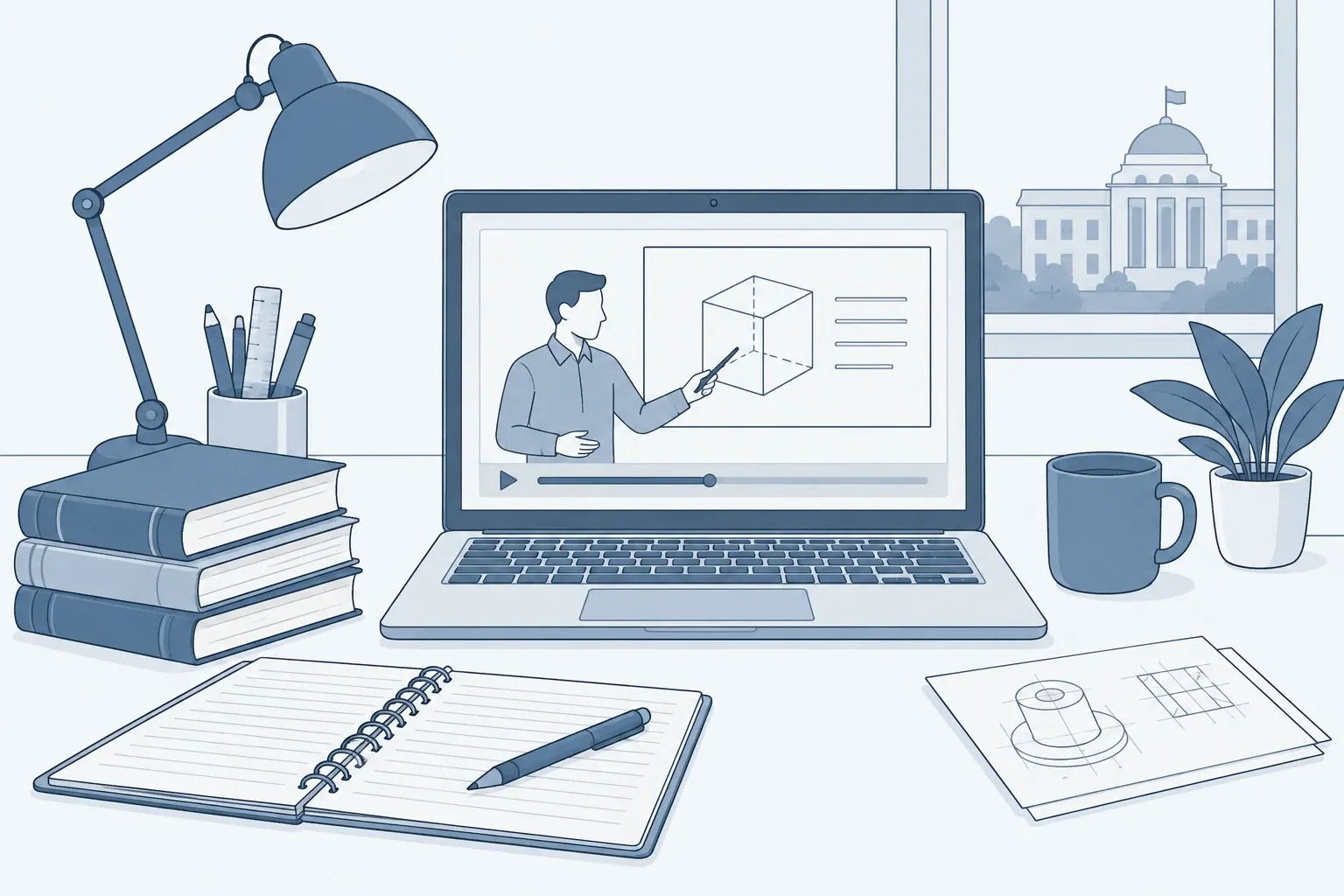
Laptop showing an online lecture with instructor diagramming a 3D cube, desk supplies

You’re ready to learn online, but the offers range from $0 MOOCs to four‑figure certificates and full online degrees. The smart choice isn’t the cheapest or the fanciest; it’s the one that moves you toward a real goal at a price and pace you can sustain. This guide shows you how to judge credibility, compare formats, map costs and time, and turn a course into a tangible result employers recognize.

What counts as a “credible” online course?

  • For college credit or degrees: look for institutional or programmatic accreditation recognized by the U.S. Department of Education; accreditation is how peer‑reviewed agencies judge basic quality in U.S. higher education (Department of Education on accreditation).
  • Don’t over‑weight “regional vs. national”: the Department eliminated this distinction in federal rules and warned that some institutions still misuse it in transfer policies (Education Department press release).
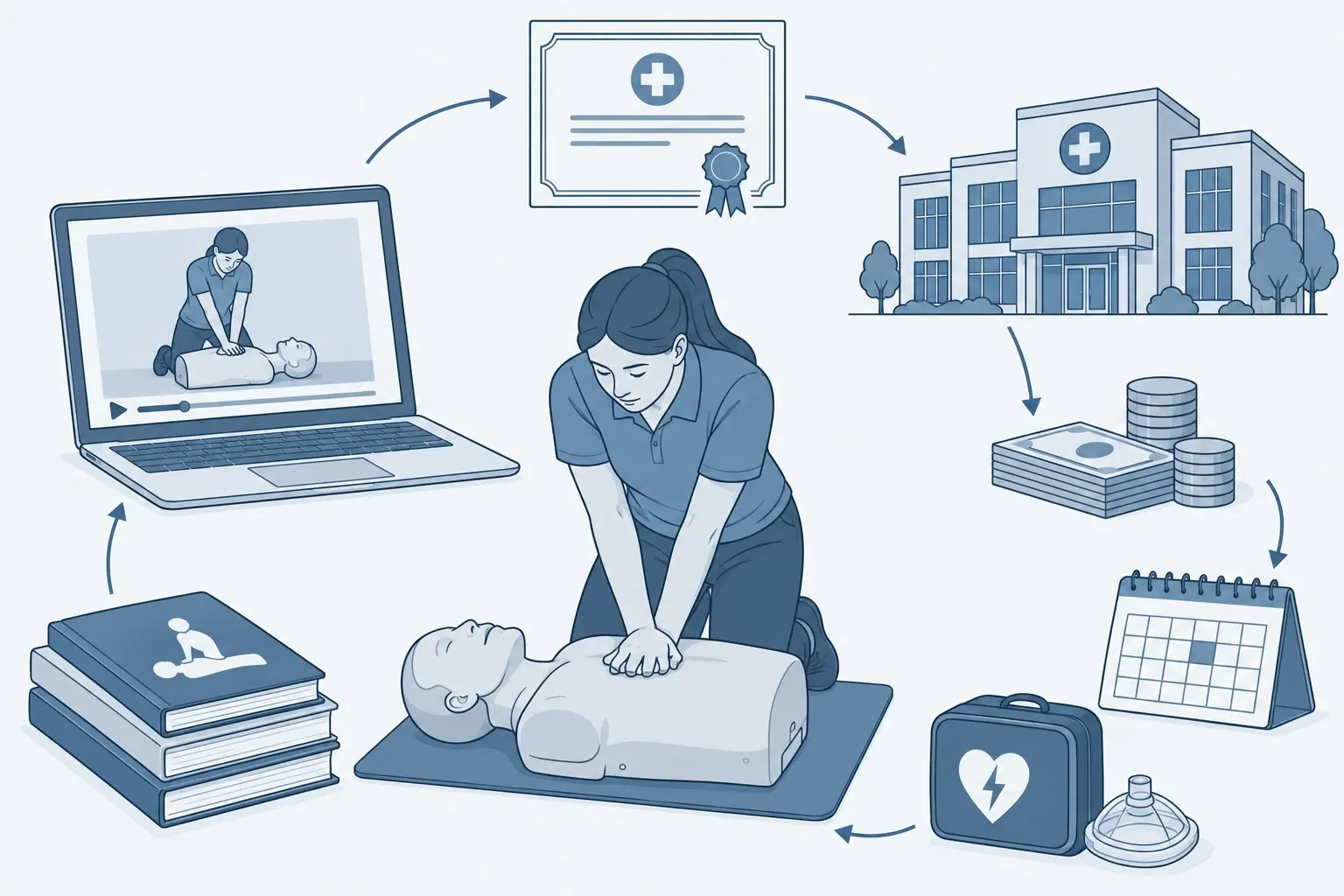
  • For licensure or compliance (CPR, BLS, ACLS): reputable issuers require hands‑on skills in addition to online study; the American Heart Association specifies blended learning with an in‑person or verified skills session to get an AHA card (AHA course FAQs).
  • For non‑degree certificates: prefer programs named in job postings, aligned to vendor technologies (e.g., cloud, analytics) or to a defined standard. Labor data shows credentials and licenses correlate with higher earnings overall, but the effect varies by occupation (BLS analysis of certifications and licenses).

How big is online learning now—and why it matters for you

  • Even after campuses reopened, online participation remained higher than before 2020. The National Center for Education Statistics reports that fall 2021 distance‑education enrollment stayed above 2019 levels and details how many students studied exclusively online and where they enrolled (NCES Fast Facts on distance learning).
  • Education generally pays: in 2023, median weekly earnings rose and unemployment fell with each higher level of education—a reminder that accredited degrees and rigorous programs (often available online) still anchor many careers (BLS “Education pays, 2023”).

Which online option fits your goal?

GoalBest‑fit online formatsWhat to verify
Switch into a tech/analytics roleStructured non‑degree certificates; portfolio‑rich MOOCs; vendor certificatesEmployer recognition in job posts; hands‑on projects; instructor credibility
Advance in a licensed field (healthcare, education)For‑credit courses or CE tied to state licensure; compliance courses (e.g., CPR)Recognized accreditation; state board or issuer requirements; hands‑on skills where required
Move into management or a specialized professional laneOnline master’s degree (part‑time, asynchronous or hybrid)Institutional/programmatic accreditation; capstones and employer links
Explore or upskill on a budgetMOOCs and low‑cost guided projectsClear learning outcomes; graded assessments; path to deeper credentials

How to compare programs in practice

  1. Define the job target and proof of skill
  • Collect three recent job posts. Highlight must‑have tools, certificates or licenses. If postings mention a specific issuer (e.g., AHA for CPR), that’s your shortlist filter.
  1. Screen for legitimacy and portability
  • For degrees/for‑credit courses, confirm recognized accreditation via the U.S. Department of Education overview and the recognized accreditor listed by the institution.
  • Avoid over‑reliance on “regional” wording; focus on recognized accreditors and the program’s transfer/licensure outcomes.
  1. Compare learning design and assessment
  • Favor graded assignments, proctored exams, portfolio projects or required skills check‑offs. For CPR/BLS/ACLS, a hands‑on skills session is mandatory for an AHA card, even if coursework is online.
  1. Estimate time and cost against benefit
  • Time: plan weeks to months for certificates, and one to two years part‑time for many online master’s degrees. Participation in distance education remains common, which makes pacing and support (asynchronous vs. live, office hours, tutoring) critical.
  • Benefit: BLS shows higher education levels correspond to higher median earnings; for non‑degree paths, credential effects vary by field and whether the credential is legally required (BLS education–earnings; BLS certifications/licenses).

A simple shortlist template you can reuse

  • Must match: target tools or standards in real job posts; recognized accreditation or issuer; assessment that proves skills.
  • Nice to have: employer projects, mentoring, career services with clear deliverables.
  • Red flags: no clear syllabus; no graded work; promises of instant hiring; 100% online CPR with no skills check (AHA requires skills verification for a valid card).

Turn your pick into a result employers notice

  • Block learning time: schedule two to four sessions per week and a weekly “deliverable” (quiz, project, reflective write‑up). Online participation is widespread, but completion requires structure; use calendar holds and deadlines inspired by your course’s pacing.
  • Build proof as you go: archive graded work, screenshots, and feedback; publish selected projects to a portfolio. For licensure courses, keep your completion card and renewal dates visible; AHA issues eCards you can verify.
  • Tie learning to wages: when your course aligns with a credential used in hiring, prepare to negotiate with fresh portfolio pieces and, where relevant, a recognized certification or license. Labor data associates higher education with higher pay overall, though outcomes differ by field.

Before you enroll: a 10‑minute due‑diligence checklist

  • Accreditation or issuer recognized in your field (Department of Education overview linked above).
  • Transparent syllabus and workload; real assessments.
  • Clear cost, calendar, and refund policy.
  • Employer alignment: appears in job posts; alumni in roles you want.
  • For hands‑on safety skills: blended format with an in‑person or verified skills check to receive the card.

With these steps, you’ll filter hype from value, pick the right online format for your goal, and convert the course into evidence employers recognize.

Frequently asked questions

Do employers take online courses seriously?

Employers respond to outcomes: skills you can show, credentials they recognize, and projects or licenses tied to the job. U.S. Bureau of Labor Statistics data shows earnings generally rise with higher education levels, which many people now earn partly online, but value varies by field and credential. Focus on accredited degrees, industry‑recognized certificates, or licenses relevant to your target role, and prove skills with work samples or assessments.

Are fully online CPR courses valid for work requirements?

For CPR and similar hands‑on skills, major issuers like the American Heart Association require a blended format: an online module plus an in‑person or verified hands‑on skills session to receive a course completion card. A 100% online module alone isn’t sufficient for an AHA card, which many employers expect.

How can I check if a college’s online degree is legitimate?

Verify institutional or programmatic accreditation recognized by the U.S. Department of Education. The Department explains how accreditation works and maintains information on recognized accreditors. Policies that favored “regional” over “national” accreditors have been phased out in federal rules, though some institutions still misuse the distinction.

Is there demand for distance education now that campuses are open?

Yes. After the 2020 spike, online participation fell in 2021 but stayed well above pre‑pandemic levels. NCES reports millions of undergraduates still took some or all courses via distance education in fall 2021, with many studying online at in‑state institutions.

Do non‑degree certificates actually pay off?

It depends on field and quality. BLS analysis shows workers with a professional certification or license earned higher median weekly pay than those without in 2018, but effects vary and some credentials are required by law rather than boosting pay. Prefer credentials tied to hiring needs or licensure, and compare total cost to likely wage gains.